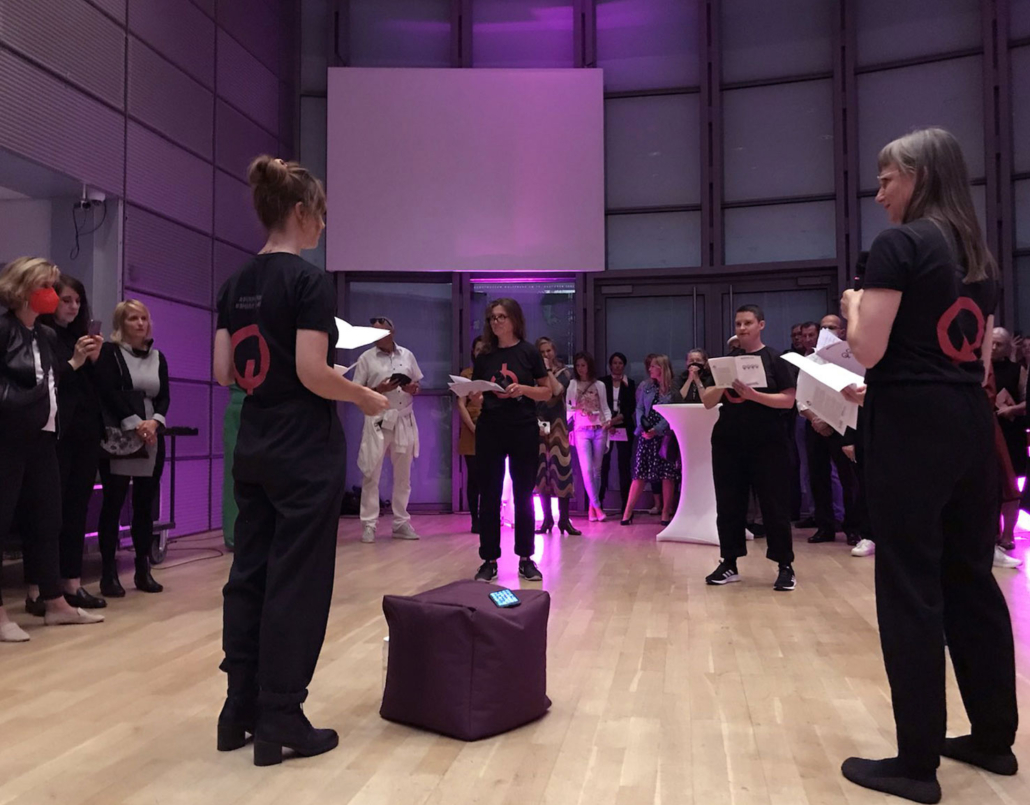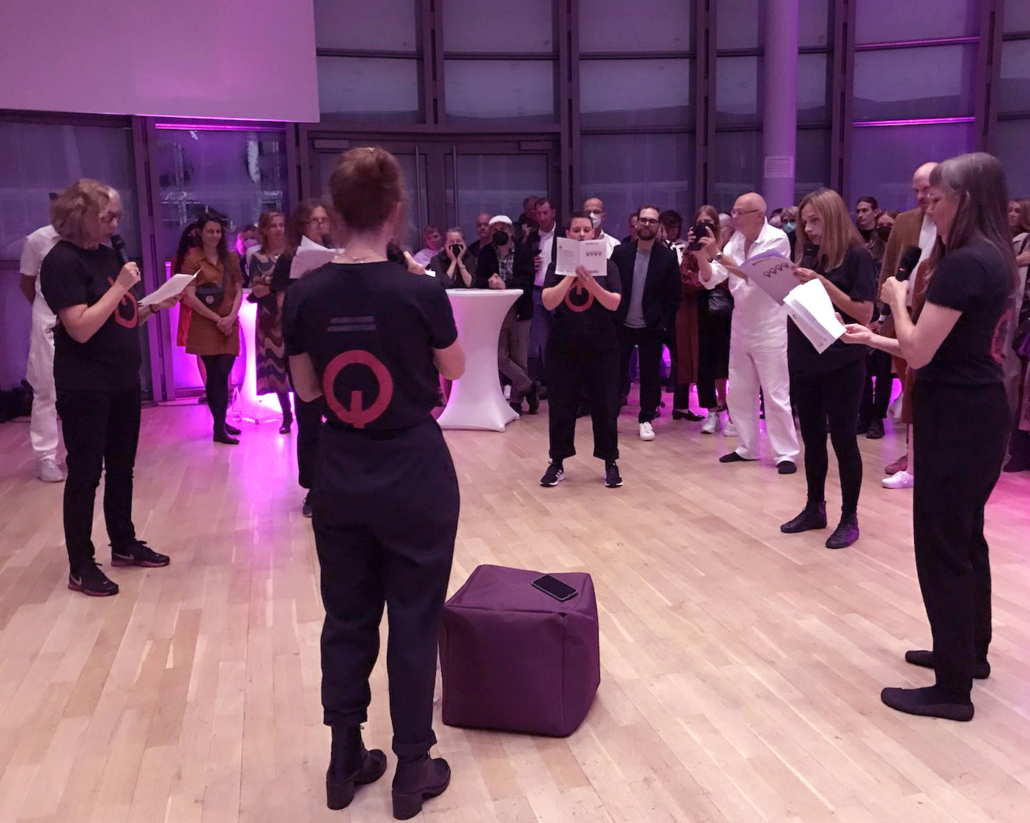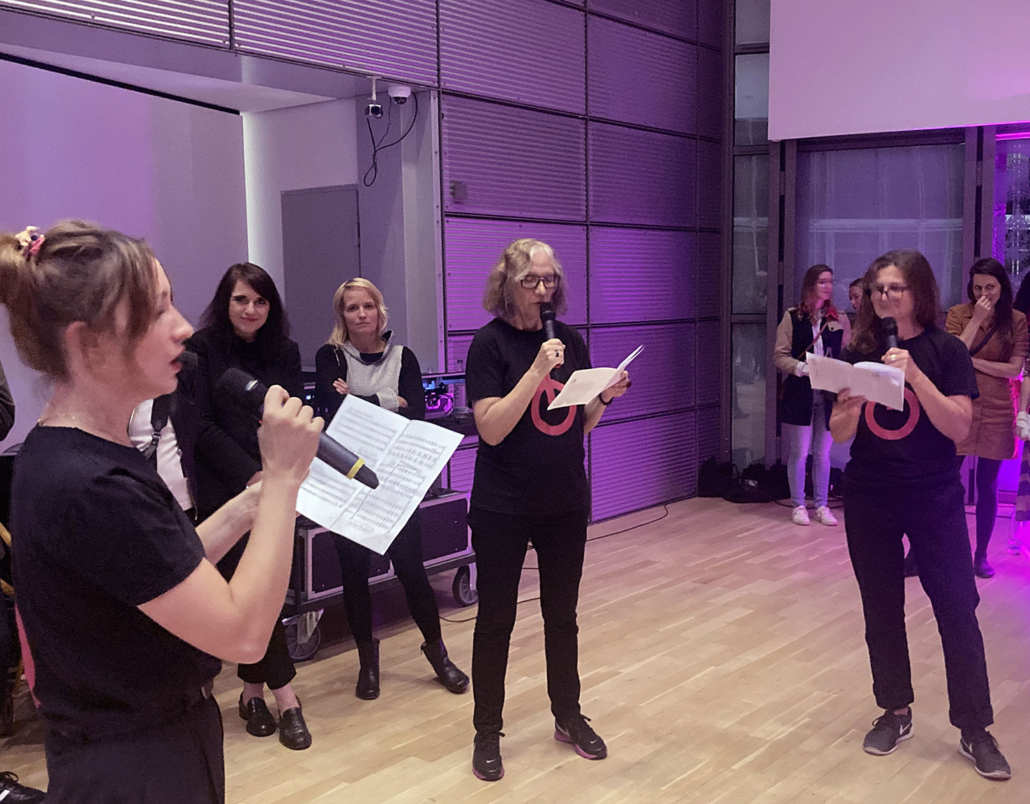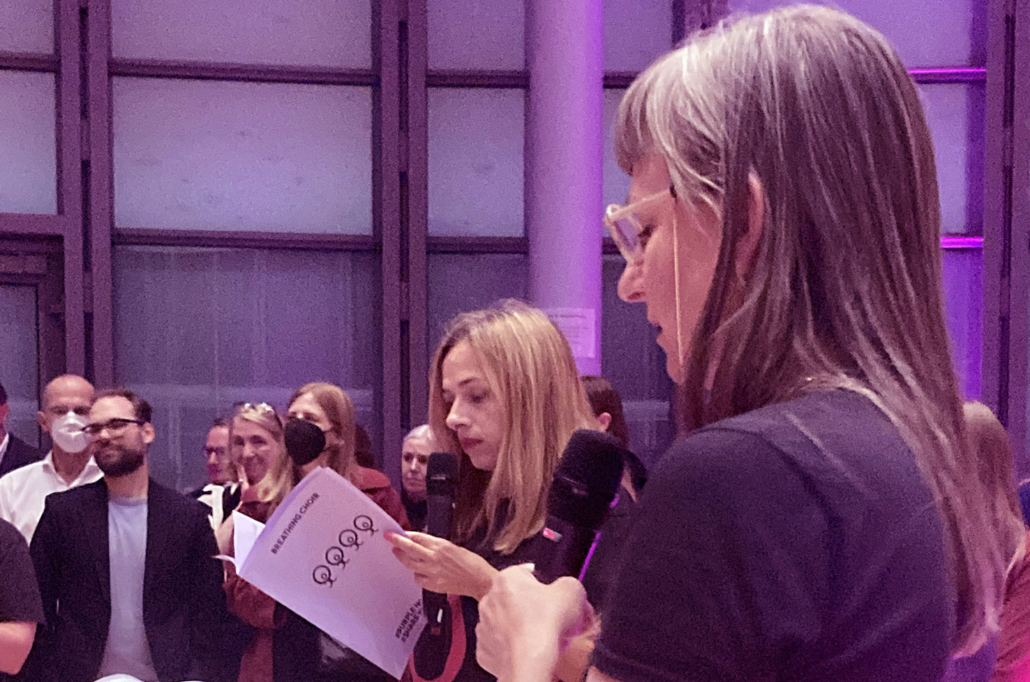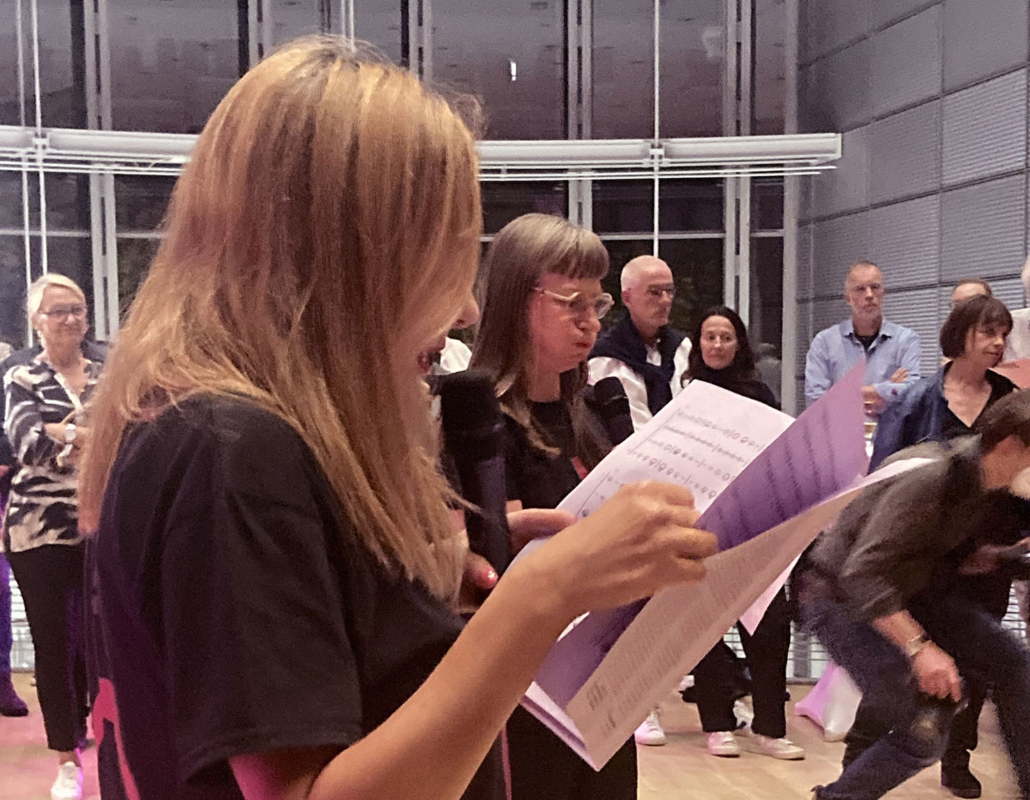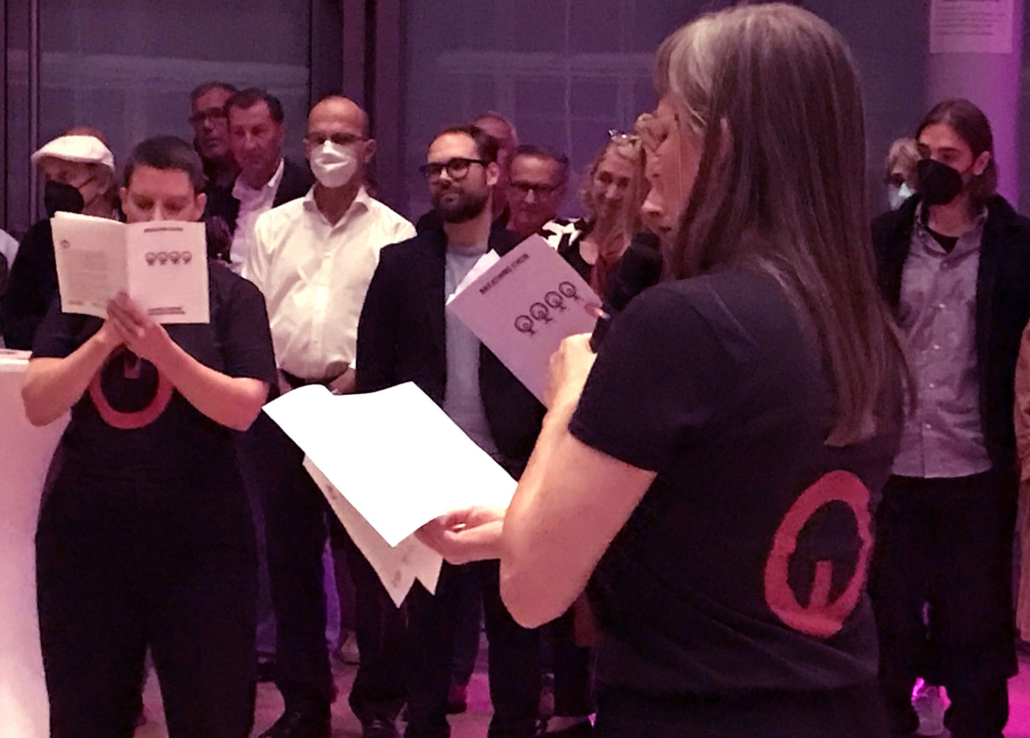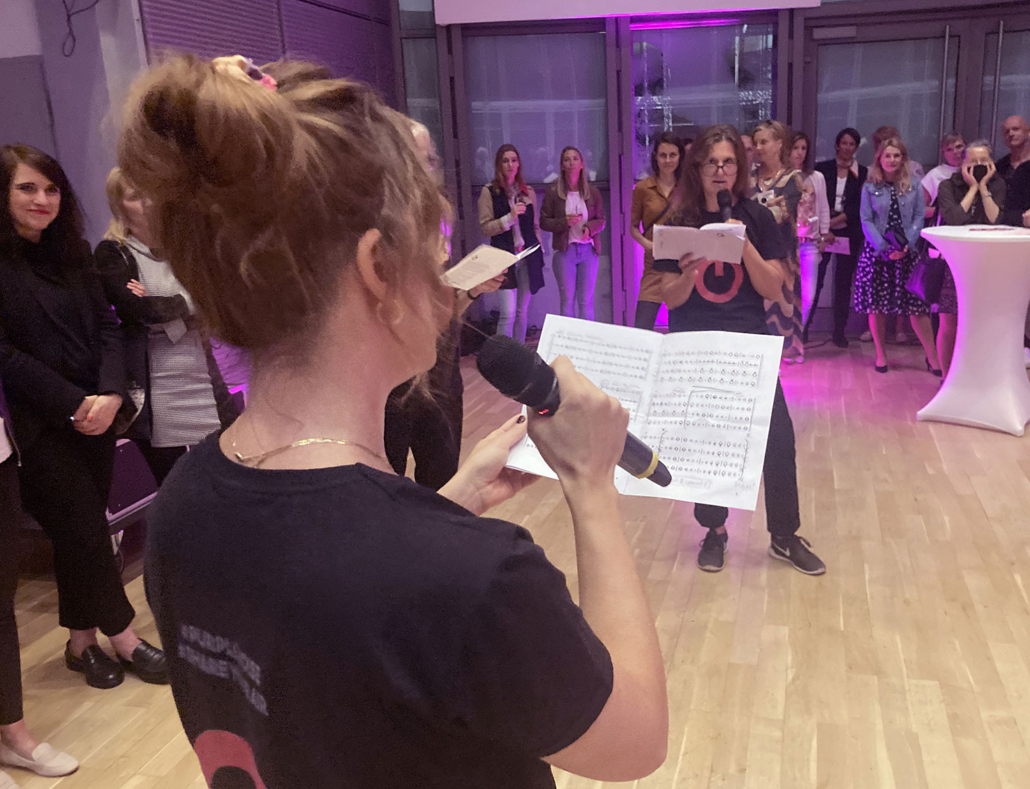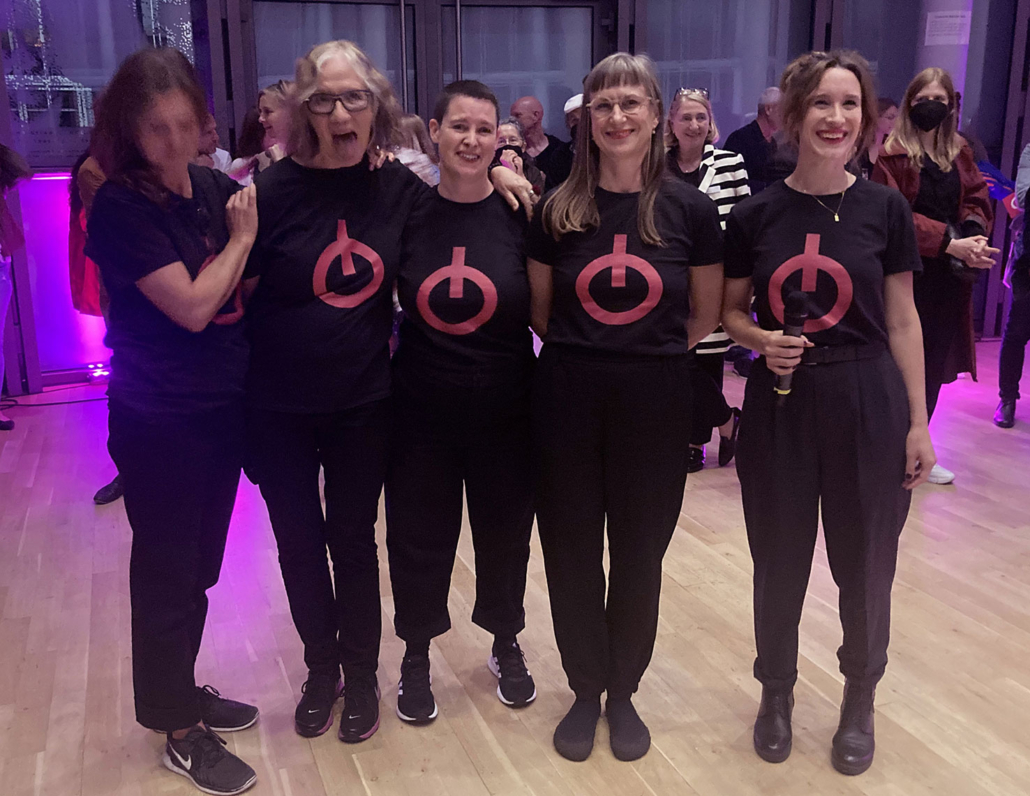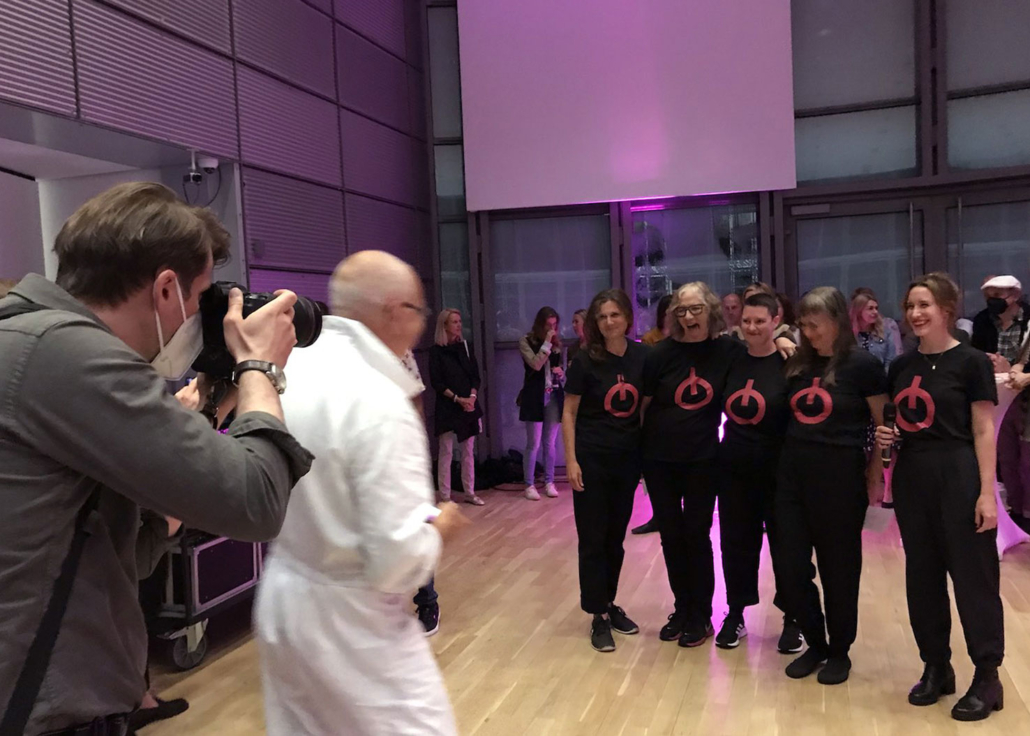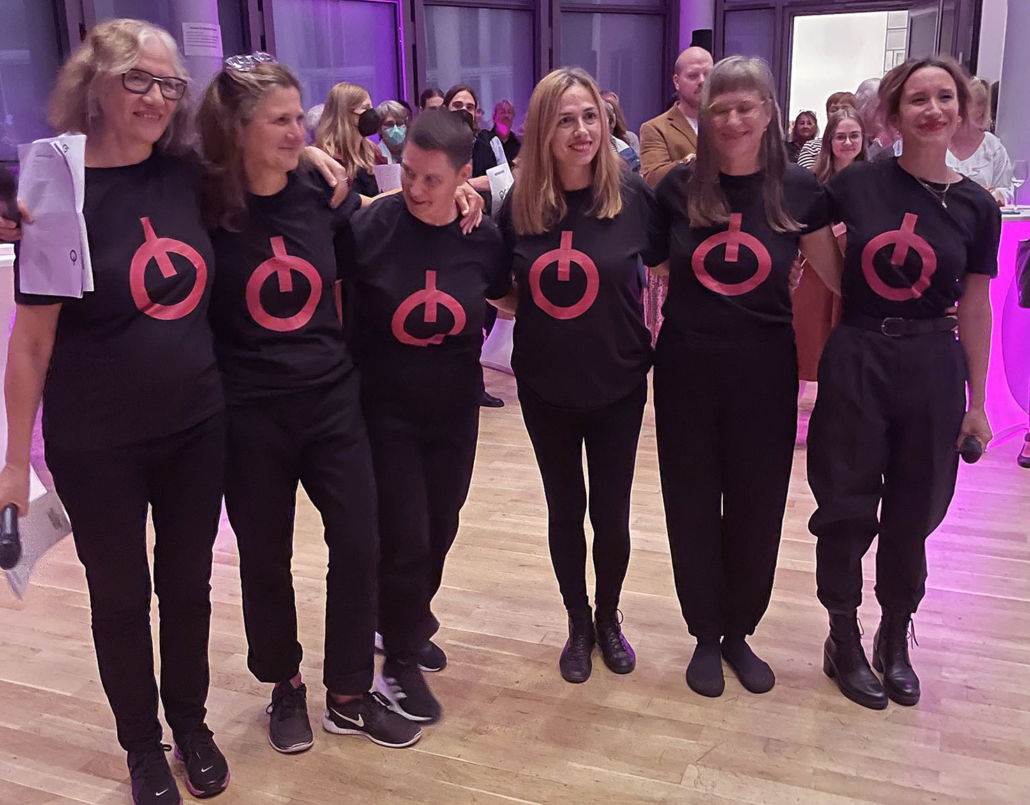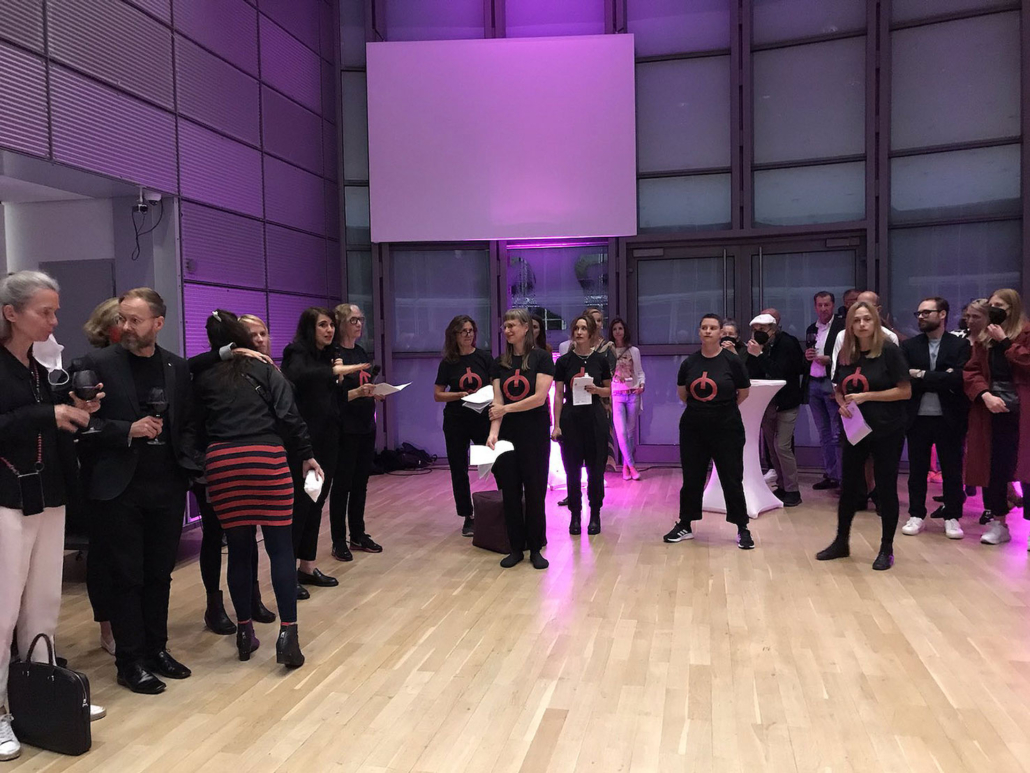
#breathingchoir, performance by #purplenoise
Empowerment Exhibition, Kunstmuseum Wolfsburg
Opening night, 10 September 2022
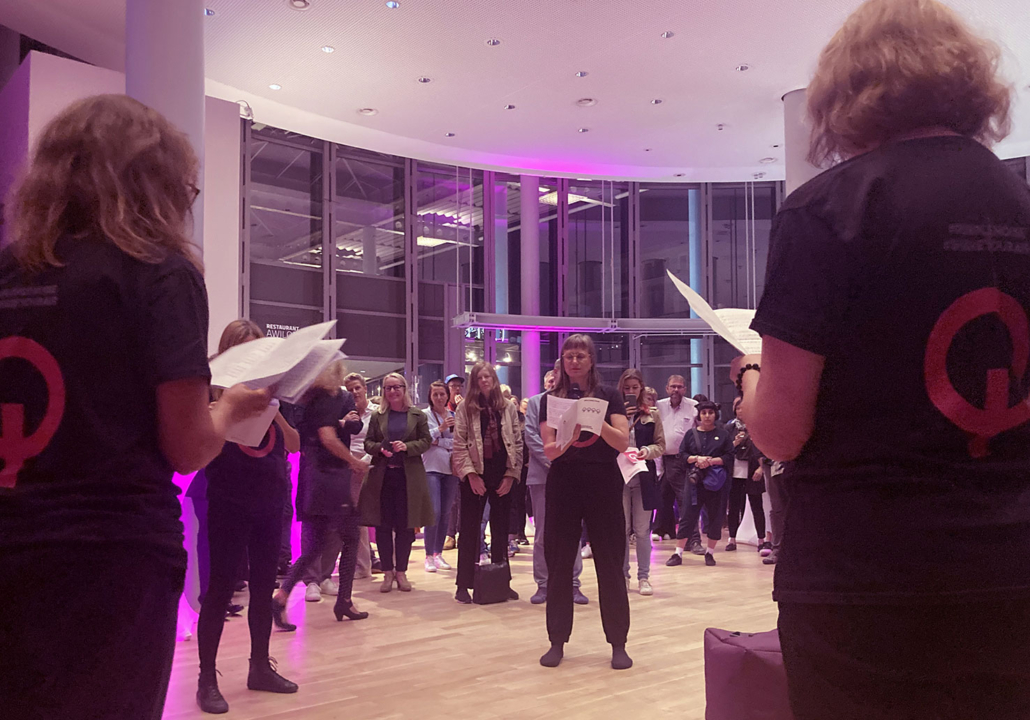
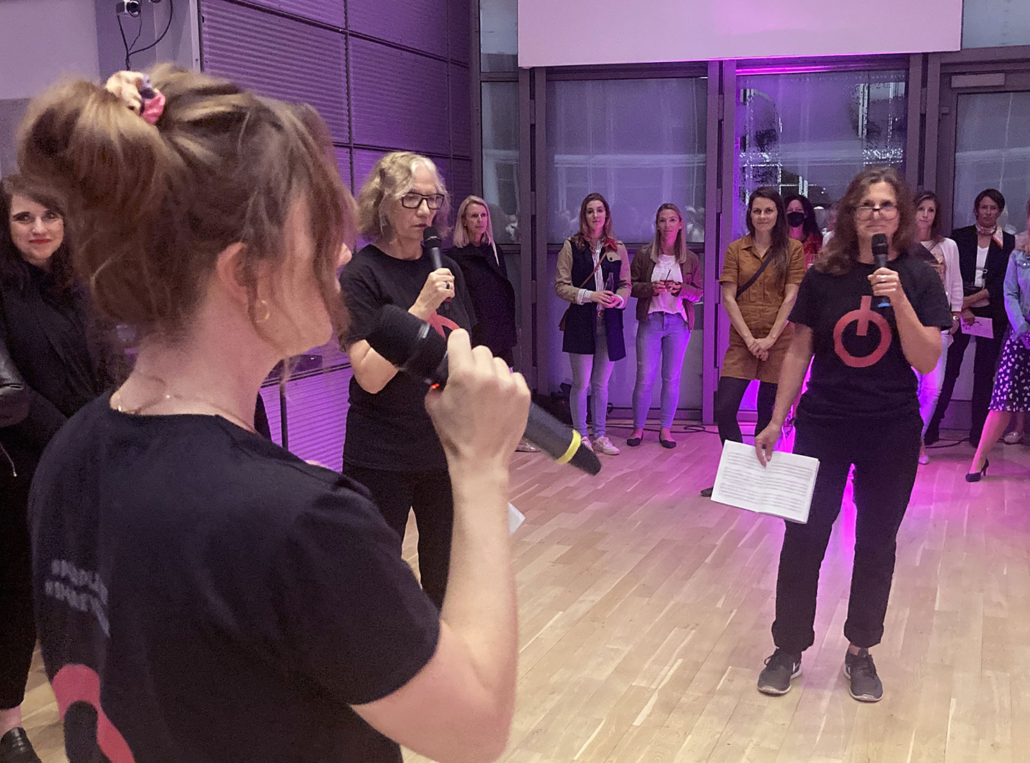
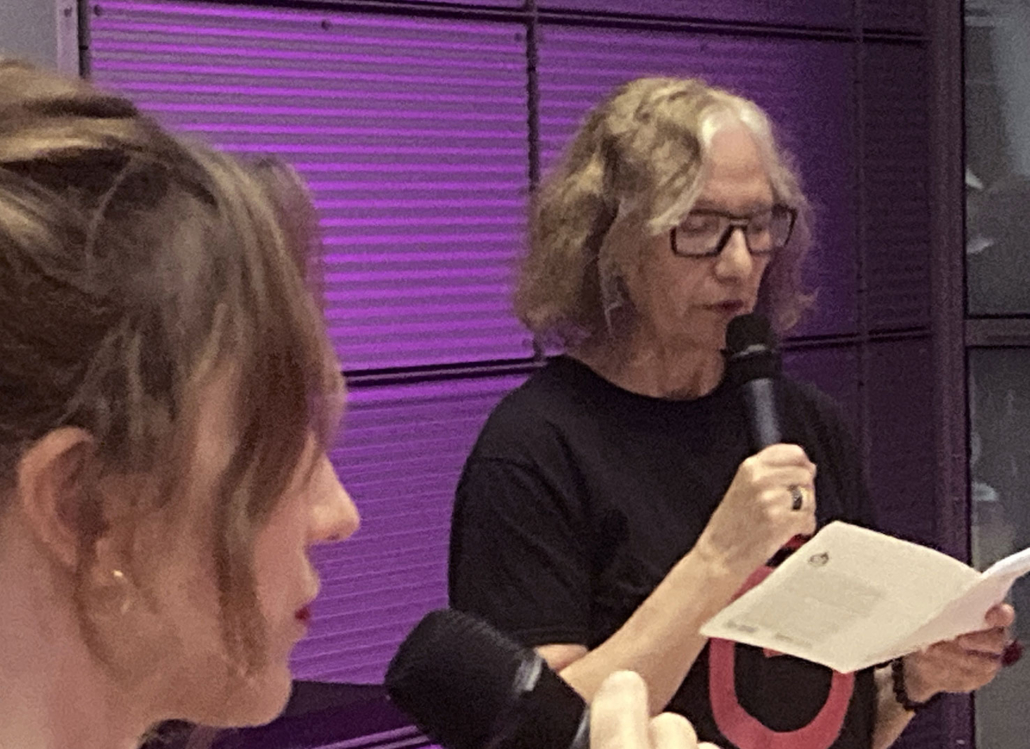
Six performers use a breathing score to connect to each other, to the visitors at the museum and the people active on their social media.
Magdalena Götz, Christina Grammatikopoulou, Marion Niewiadomski, Janine Sack, Cornelia Sollfrank, Sophie Wohlgemuth

As part of our project #shareyourair and in addition to our interactive space in the museum, #purplenoise did a live performance at the opening night. The performance gave expression to the performative nature of breathing and served to make visible different aspects of breathing and to connect within the choir as well as with the audience in the space and the contributors on social media.
During the research phase of our project (1.3.-1.6.2022), we held various workshops to delve deeper into the subject of breathing ourselves, to learn various techniques and also to familiarize ourselves with various philosophical and medical approaches to this subject. During one of these workshops with the artist and yoga teacher Sabine Siegfried from Hamburg, the topic of György Ligeti’s archive came up, in whose musical collection there are recordings of indigenous choirs consisting only of breathing sounds. This inspired us to experiment with it as part of our project.
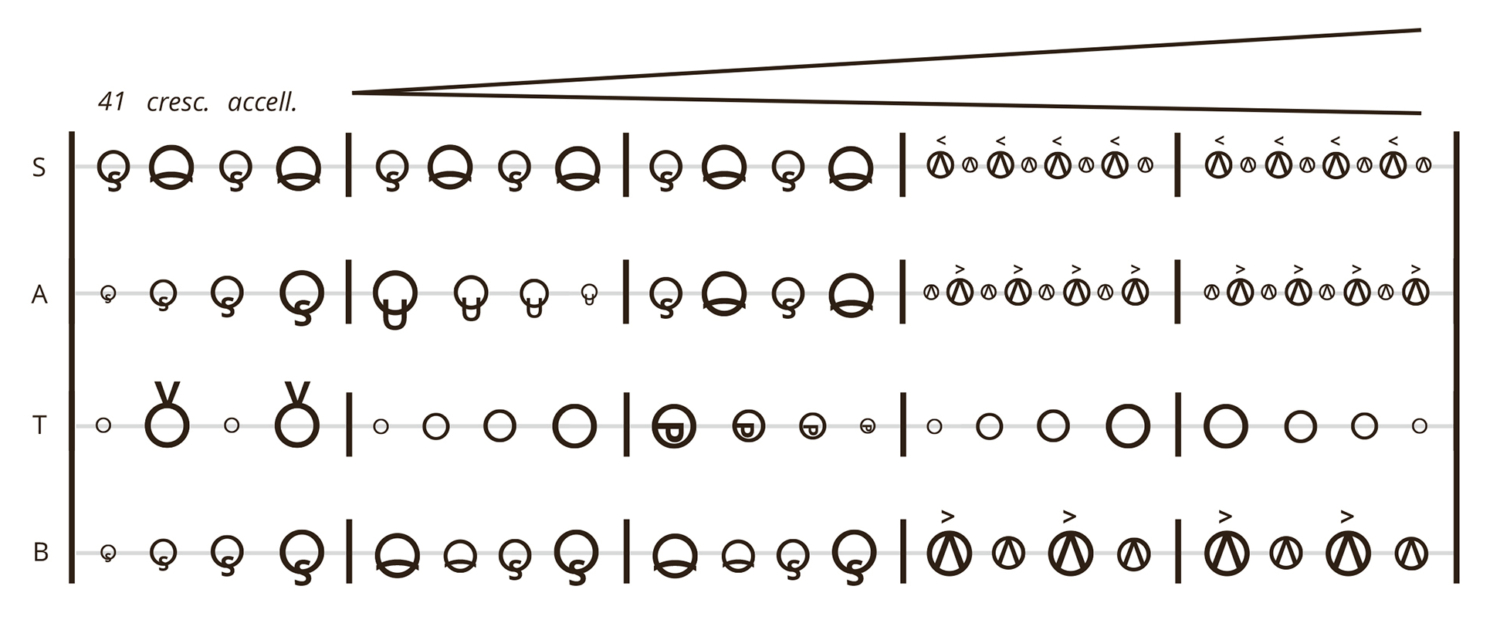
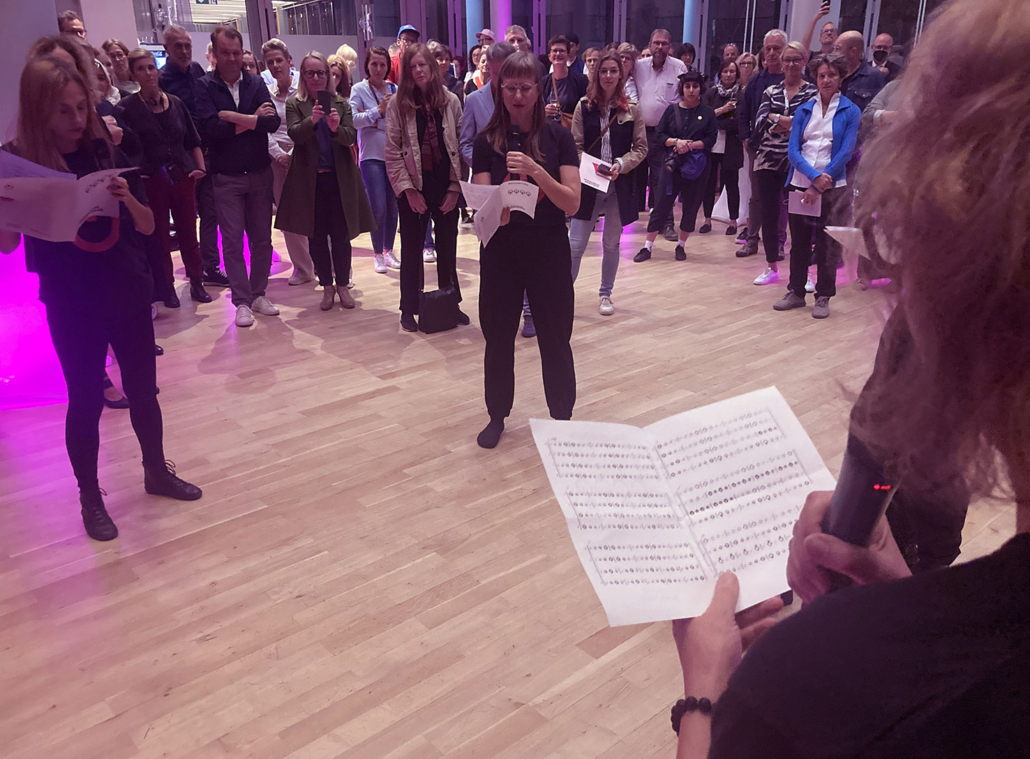
Score
The basis for the choir is a score with different signs representing different breathing techniques, i.e. a breathing score. The various breathing patterns are composed with regard to the physiological and psychological effects of the breathing techniques as well as their tonal quality.